


Promoting Sustainability Through Education: Effective Sustainability Education Approaches

Sustainability is no longer a distant ideal but an urgent necessity. As we face environmental challenges such as climate change, resource depletion, and biodiversity loss, education emerges as a powerful tool to foster awareness and inspire action. Promoting sustainability through education equips individuals and communities with the knowledge, skills, and values needed to protect our planet. In this post, I will explore various sustainability education approaches, their significance, and practical ways to implement them effectively.
Understanding Sustainability Education Approaches
Sustainability education approaches are diverse methods and strategies designed to teach and promote sustainable living and environmental stewardship. These approaches aim to integrate ecological, social, and economic dimensions of sustainability into learning experiences. By doing so, they empower learners to make informed decisions and take responsible actions that contribute to a healthier planet.
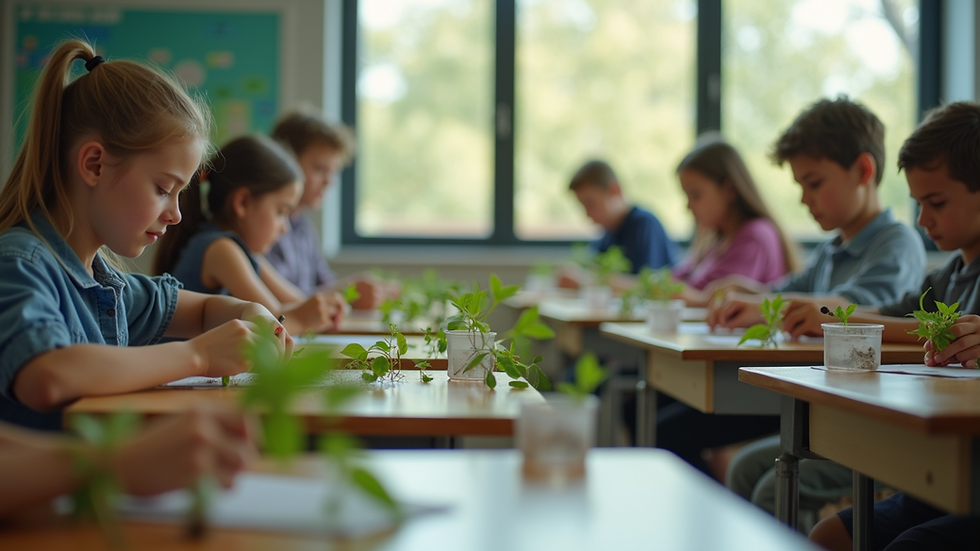
One effective approach is experiential learning, which involves hands-on activities such as community gardening, recycling projects, or field trips to natural reserves. This method helps learners connect theory with real-world practice, making sustainability concepts tangible and memorable.
Another approach is interdisciplinary learning, where sustainability topics are integrated across subjects like science, social studies, and economics. This broad perspective helps learners understand the complex interactions between human activities and the environment.
Collaborative learning also plays a crucial role. Group projects and discussions encourage sharing diverse viewpoints and foster a sense of collective responsibility. This approach mirrors the collaborative nature of solving environmental issues in society.
Incorporating technology and digital tools can enhance sustainability education by providing access to global information, simulations, and virtual experiences. For example, interactive apps that track personal carbon footprints can motivate learners to adopt eco-friendly habits.
Finally, community-based learning connects education with local environmental challenges and solutions. Engaging with local ecosystems and stakeholders makes sustainability relevant and actionable.
The Role of Environmental Sustainability Education in Shaping Behavior
Environmental sustainability education is essential for cultivating environmentally responsible behavior. It goes beyond imparting knowledge to fostering attitudes and skills that support sustainable living. When individuals understand the consequences of their actions on the environment, they are more likely to adopt practices that reduce waste, conserve energy, and protect natural habitats.
For example, schools that implement recycling programs and energy-saving initiatives teach students practical ways to reduce their ecological footprint. These experiences often extend beyond the classroom, influencing family and community behaviors.
Moreover, sustainability education encourages critical thinking and problem-solving skills. Learners analyze environmental issues, evaluate solutions, and consider ethical implications. This process builds a mindset geared toward innovation and long-term thinking.
To maximize impact, sustainability education should be inclusive and culturally relevant. It must respect local knowledge and traditions while addressing global environmental challenges. This approach fosters a sense of belonging and responsibility toward both local and global ecosystems.
What are the 5 pillars of ESD?
Education for Sustainable Development (ESD) is a framework that guides sustainability education worldwide. It is built on five key pillars that provide a comprehensive foundation for learning and action:
Holistic Approach
ESD integrates environmental, social, and economic dimensions of sustainability. It encourages learners to see the interconnectedness of these aspects and understand the complexity of sustainability challenges.
Critical Thinking and Problem Solving
Learners develop the ability to analyze issues, question assumptions, and devise innovative solutions. This pillar promotes active engagement and informed decision-making.
Participatory Learning
ESD emphasizes collaboration and dialogue. It involves learners in discussions, group work, and community projects, fostering a sense of shared responsibility.
Values and Ethics
Sustainability education nurtures values such as respect for nature, social justice, and equity. It encourages learners to reflect on their ethical responsibilities toward the environment and society.
Action-Oriented Learning
ESD motivates learners to apply their knowledge and skills in real-life contexts. It supports initiatives that contribute to sustainable development at local, national, and global levels.
These pillars ensure that sustainability education is not just theoretical but practical and transformative.
Practical Strategies to Implement Sustainability Education
Implementing sustainability education effectively requires thoughtful planning and commitment. Here are some practical strategies that educators, organizations, and communities can adopt:
Integrate Sustainability into Curricula
Embed sustainability topics across subjects and grade levels. Use case studies, projects, and discussions that relate to local environmental issues.
Promote Outdoor and Experiential Learning
Organize field trips, nature walks, and community service activities. These experiences deepen learners’ connection to the environment.
Use Technology Wisely
Leverage digital platforms for interactive lessons, virtual tours, and data collection. Encourage learners to use apps that track energy use or waste reduction.
Engage Families and Communities
Extend learning beyond schools by involving parents and local groups. Host workshops, clean-up events, and sustainability fairs.
Provide Professional Development for Educators
Train teachers in sustainability concepts and pedagogical methods. Support them with resources and networks to share best practices.
Encourage Student Leadership
Support student-led initiatives such as eco-clubs, campaigns, and research projects. Empowering youth fosters ownership and motivation.
Measure and Celebrate Progress
Track the impact of sustainability education programs. Recognize achievements to maintain enthusiasm and commitment.

Inspiring a Greener Future Through Education
Promoting sustainability through education is a vital step toward a greener, more self-sustainable future. By adopting diverse sustainability education approaches, we can nurture informed, responsible individuals who actively contribute to environmental protection.
The journey begins with awareness and knowledge but must extend to values, skills, and action. Education that is inclusive, practical, and connected to real-world challenges has the power to transform mindsets and behaviors.
As we continue to face pressing environmental issues, the role of education becomes even more critical. It is a catalyst for change that can inspire collective action and foster a harmonious relationship between humanity and nature.
I encourage everyone involved in education and community development to prioritize sustainability education. Together, we can build a global movement that safeguards natural resources, protects animal life, and ensures a thriving planet for future generations. For more information on how to integrate environmental sustainability education into your programs, explore available resources and collaborate with like-minded organizations.
By investing in education today, we are planting the seeds for a sustainable tomorrow.


Comments